

Anosognosia, also called lack of insight, is a biological condition that prevents some people with severe mental illness (SMI) from knowing that they are experiencing symptoms of a brain disorder.
50-98% of people with schizophrenia may have anosognosia to some extent.
35-63% of people with bipolar I disorder may experience anosognosia to some extent.
Anosognosia is the leading cause of treatment non-adherence for people with schizophrenia spectrum disorders.
Million adults with severe mental illness experience anosognosia in the United States.
Sources for above statistics:
*Rose, B., & Harvey, P. D. (2025). Anosognosia in schizophrenia. CNS spectrums, 30(1).
** Ghaemi, S. N., & Rosenquist, K. J. (2004). Insight in mood disorders: an empirical and conceptual review. Insight and psychosis, Látalová, K. (2012). Insight in bipolar disorder. Psychiatric Quarterly, 83(3).
Causes of anosognosia in SMI
Anosognosia was first discovered by physicians who noticed that after a traumatic brain injury or a stroke, some patients were unable to recognize changes in their abilities, such as being unable to move one side of their body. Anosognosia can also occur in people with Alzheimer’s disease. Anosognosia is thought to be caused by changes or differences in brain structure due to brain damage.
Our understanding of the relationship between anosognosia and various parts of the brain is still evolving. However, based on current research, there are several brain structures that may be related to anosognosia, including the frontal lobe, which is an important part of the brain for cognitive skills like memory, problem solving, and metacognition. Accordingly, damage to the frontal lobe may make it difficult for people with psychosis to make sense of their past symptoms and experiences, accurately compare their current abilities with what they could do in the past, and understand the beliefs of family members, friends, and care providers. Low insight into having an illness has been associated with smaller prefrontal grey matter volume in schizophrenia patients and higher frontal lobe dysfunction.
Several studies have found that people with schizophrenia experience changes in their frontal lobe over the course of their illness, including decreased grey matter in the frontotemporal lobe, decreased white matter and increased cerebrospinal fluid in the frontal regions of the brain, and decreased grey matter in orbital-frontal regions of the brain. These structural changes were more dramatic for those who had a longer duration of untreated psychosis. People with schizophrenia and anosognosia have also been found to have less gray matter than people with schizophrenia who do not have anosognosia in other regions of the brain.
Another key area implicated in anosognosia is the right hemisphere of the brain. This relationship has been found among stroke survivors, people who have experienced traumatic brain injury, people with dementia, and people with SMI.
Anosognosia and denial
Crucially, anosognosia is different from denial of having a mental illness. To illustrate how delusions are experienced by people who have anosognosia, Dr. Xavier Amador provides the following example based on his clinical experience:
“Imagine I told you that you did not live where you live. You might laugh and tell me to stop joking around. But what if I produced a restraining order from a court that ordered you to stay away from what you told me was your home address? Taking it further, let’s say you live with other people, perhaps members of your family, and you saw that they had signed off on this court order. What would you think? Then, imagine that you then called them to ask why they’d signed off, and they said something like, ‘You seem like a nice person, but if you keep coming around here, we are going to call the police. You don’t live here, and we don’t want to press charges, but we will if you put us in that position. Please stop calling us. You need help!’ If you can imagine something like this happening to you, then you have idea of what it is like for someone with a mental illness to have a delusion and anosognosia.”
It is also important to consider cultural differences in the understanding of mental illness when determining if a person has anosognosia. The idea that SMI is a biological disease is not present in all cultures. One review of studies proposed that a person should be determined to have insight if they know there has been a change in their body or mind that has impacted their ability to function and acknowledge the need to restore their previous abilities. Using this definition, a person could be determined to have insight even if they do not believe their symptoms represent an illness. The author notes that a person with delusional explanations for their symptoms (i.e., those that differ from family and local cultural explanations) would not be considered to have insight using this definition.
Anosognosia and capacity to make informed medical decisions
It has been estimated that up to 25% of psychiatric inpatients may not have the capacity to make informed medical decisions because of their illness. A 2025 article from CNS Spectrums explored the legal complexities of informed consent among patients with anosognosia and schizophrenia. The author proposed that a person should not be considered competent to make informed medical decisions when lack of insight has lasted more than six months, does not change even when presented with evidence, and when the explanations offered to explain situations or symptoms of the illness are objectively false. However, the authors also note that to protect patient autonomy, this lack of insight must also have been documented for at least six months and a medical professional must be willing to testify that the patient’s lack of insight is a symptom of their illness and not denial.
Treatment options for anosognosia
Anosognosia may be prevented or diminished by early, effective treatment. Early psychosis programs are a type of intervention for people experiencing their first episode of psychosis. In these programs, a team of social workers, peer specialists, and other care providers work together to provide treatment. These programs have been shown to improve short and long-term outcomes for people with psychosis. There is also some evidence to support the effectiveness of early psychosis programs on improving insight. People with schizophrenia who were enrolled in one early intervention program had greater improvements in insight than people in an alternative treatment program. The largest increases in insight took place during the first six months of the program.
Given the prevalence of medication non-adherence in people who have anosognosia, researchers have explored several strategies within psychotherapy that can help people with SMI to improve insight. There are some psychological interventions like cognitive behavioral therapy for psychosis (CBT-P) that may also improve insight to some extent. However, research also indicates that clinical symptoms may need to improve with medication before people with schizophrenia can benefit from therapies that target cognitive functioning.
Antipsychotic medications can be a useful tool for many people with SMI to manage their symptoms and improve their quality of life. There is some evidence to suggest that antipsychotic medications can also improve insight, with the biggest improvements occurring in the first three months of treatment. However, despite the significant impact of the role of insight in treatment adherence, few studies of antipsychotic medications have focused on insight as a primary outcome.
tDCS is a type of non-invasive brain stimulation that is safe, painless, inexpensive and has been shown to improve symptoms for a variety of mental illnesses, particularly major depressive disorder. tDCS has also been shown to improve insight for people with schizophrenia. In a systematic review that examined the impact of tDSC on insight in thirteen randomized controlled trials, patients with schizophrenia who received at least ten sessions of tDCS had improved insight into their illness, compared to those who did not receive tDCS.
The insight paradox
Improvements in insight are associated with a number of positive outcomes for people with SMI including fewer hospital readmissions, improved functioning, and decreased likelihood of violence. However, higher levels of insight have also been associated with higher suicide risk, depression, self-stigma, emotional distress, and lower levels of hope.
The association between better insight and higher psychological distress may exist because people with anosognosia are protected from the stigma attached to an SMI diagnosis because they do not believe they have an illness. They may also be protected from the distress of experiencing psychotic symptoms when they cannot perceive a difference between their symptoms and reality. Improved insight into illness may increase suicidality when a better understanding of illness-induced life changes causes increased feelings of self-stigma, hopelessness, and depression.
This relationship between anosognosia and suicidality has been called the ‘insight paradox.’ To mitigate this risk, it is important to provide patients with psychosocial interventions that help to reduce internalized stigma, maintain hope, and process traumatic experiences, especially as levels of insight improve.
Lack of insight is the leading cause of treatment non-adherence for people with schizophrenia.
Explore recent research and resources about anosognosia
Our Research Weekly blog delivers updates on cutting-edge research and information about SMI, straight to your inbox.

By Andrew Wilson As I sat alone, the voices in my head grew louder — a relentless cacophony of negativity and doubt, weaving a narrative of impending doom. They predicted […]
Anosognosia AOT Black SMI Experience Personally Speaking Psychotic Breakdown
I woke up searching frantically for my glasses on the nightstand — knocking over a glass of water before touching the wire rims. Pulling them on, I saw it was […]
Research Weekly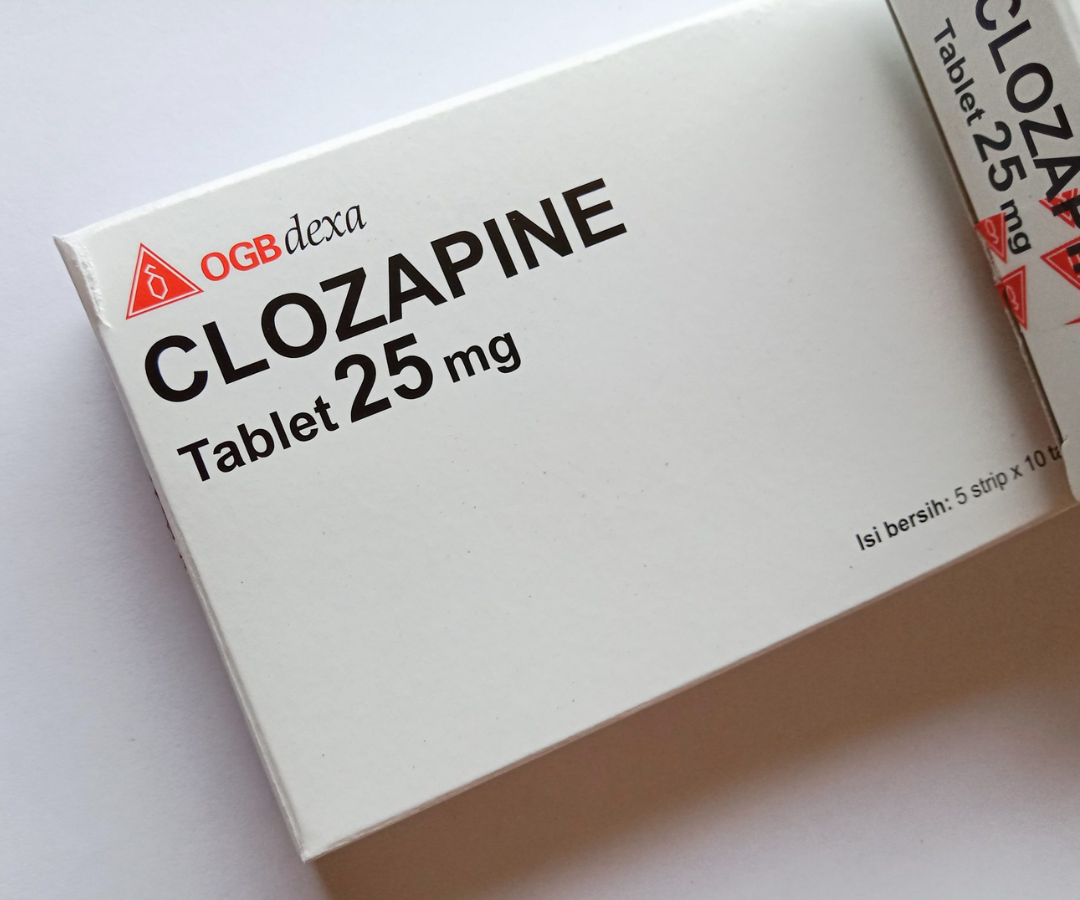
By Dr. Xavier Amador I have had many patients on Clozapine. It was the first atypical antipsychotic; it was synthesized in 1958 and first used in people in the 1970’s […]
Research Weekly
by Dr. Xavier Amador When my brother Henry developed schizophrenia, the impact rippled through our family in a number of specific ways. I have seen the same in countless families […]
Research Weekly
TAC is pleased to premiere Research Briefly, a periodic blog focused on timely research and pertinent information surrounding severe mental illness (SMI), with “What in the World is Anosognosia?” by […]
Research Weekly
by Hope Parker (February 7, 2024) Black individuals who are a part of the LGBTQ+ community report higher levels of psychological distress than the general population. These higher levels of […]
Research Weekly Uncategorized
by Jennifer M. Reingle Gonzalez, PhD, Rebecca Marcolina, MPH, Research, Data, & Analytics Team, and John Snook, JD, Chief Policy Officer, Meadows Mental Health Policy Institute In this guest post, […]
Research Weekly Suicide
By Shanti Silver (January 17, 2023) In December 2023, the Virginia Joint Legislative Audit and Review Commission staff released a report on Virginia’s nine state hospitals, including recommendations for the […]
Research Weekly
By Hope Parker (January 3, 2024) A new year brings new opportunities to advocate for effective, evidence-based care for people with severe mental illness. This January, Research Weekly will highlight […]
Research Weekly
(November 8, 2023) The summer of 2023 was considered the summer of extreme heat in America, with temperatures reaching the triple digits in many states across the United States. In early […]
Clinical Research Research Weekly SMI SMI Research
By Shanti Silver (November 1, 2023) Bipolar disorder is a mental illness characterized by alternating periods of depression and mania or hypomania. The disorder is estimated to impact more than […]
Clinical Research Research Weekly SMI SMI Research Suicide
By Elizabeth Sinclair Hancq Research Roundup is a monthly public service of the Office of Research and Public Affairs. Each edition describes a striking new data point about severe mental illness (SMI) and […]
Clinical Research Research Weekly SMI SMI Research Uncategorized